
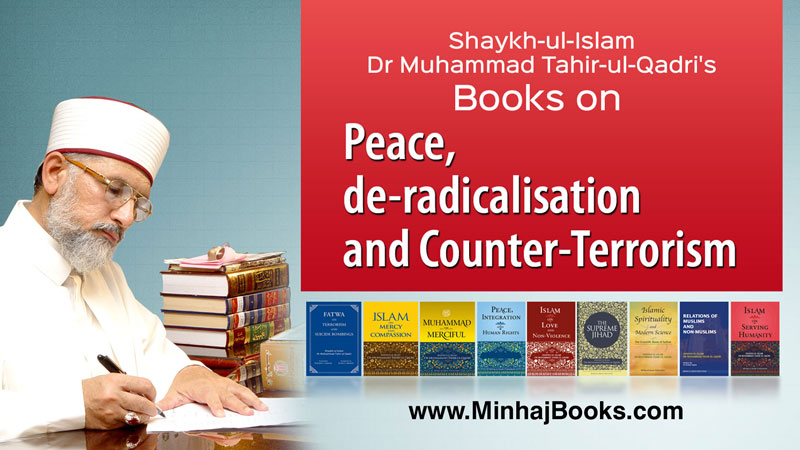
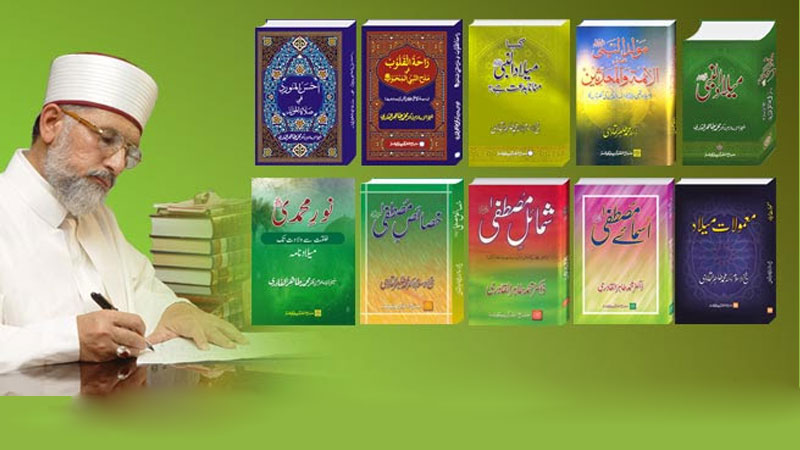
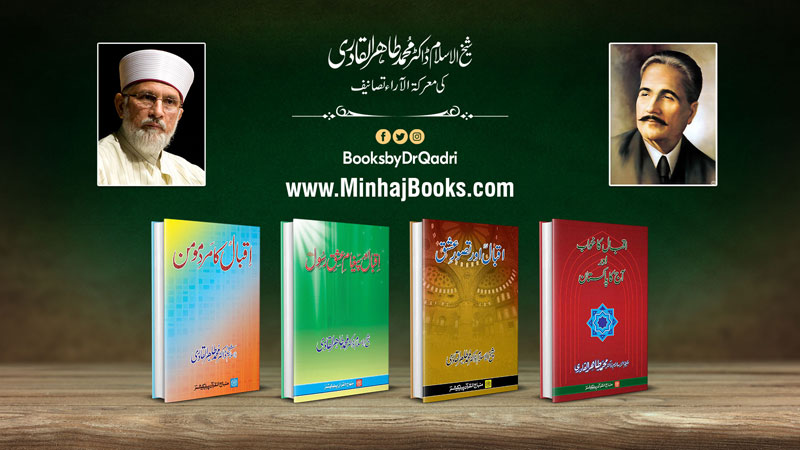
Shaykh-ul-Islam Dr Muhammad Tahir-ul-Qadri has authored 1,000 books in Urdu, English and Arabic languages. About 650 of these books have been published so far. His works have also been translated in many languages of the world. His revivalist, reformative and reconstructive efforts bear historic significance and hold an unparalleled position in promoting the cause of world peace and human rights, propagating the true Islamic faith and teachings of the Quran and Sunna. In addition, 20 books by Dr Hassan Mohi-ud-Din Qadri, 51 books by Professor Dr Hussain Mohi-ud-Din Qadri, and books by other authors have been published on this website.
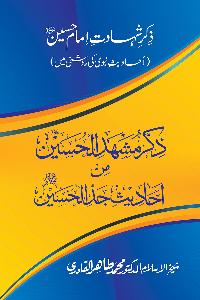
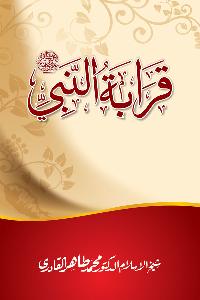
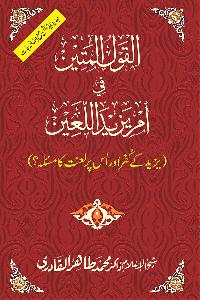

Latest Books
Explore our new release books list to help you discover your next great read today
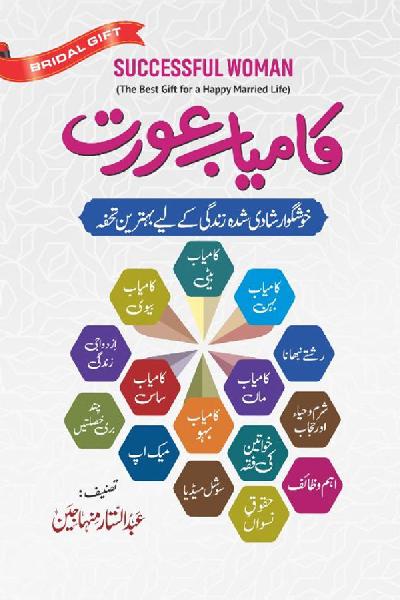
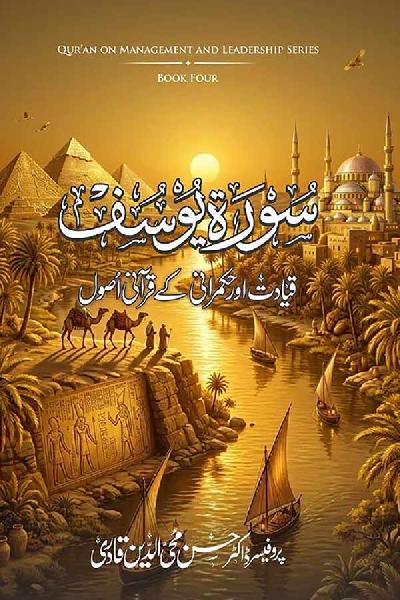
Surah Yusuf: Qiyadat aur Hukmrani ke Qurani Usool
پروفیسر ڈاکٹر حسن محی الدین قادری کی تصنیف "سورۃ یوسف: قیادت اور حکمرانی کے قرآنی اُصول" قرآن، مینجمنٹ اور لیڈرشپ سیریز کی چوتھی اہم کتاب ہے۔ اس کتاب میں سورۂ یوسف کی تعلیمات کی روشنی میں مؤثر قیادت، حکمرانی، حکمتِ عملی، صبر و استقامت، وژن، کردار سازی، بحران مینجمنٹ اور فیصلہ سازی کے قرآنی اُصول نہایت جامع انداز میں بیان کیے گئے ہیں۔ یہ تصنیف قرآنی رہنمائی کی بنیاد پر جدید قیادت اور انتظامی مہارتوں کو سمجھنے کے لیے ایک منفرد اور قابلِ قدر علمی کاوش ہے۔
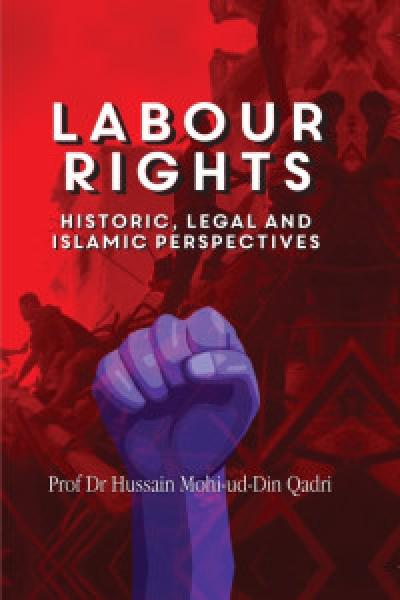
Labour Rights (Historic, Legal and Islamic Perspectives)
محنت کشوں کے حقوق کا تاریخی، قانونی اور اسلامی تناظر میں جامع مطالعہ
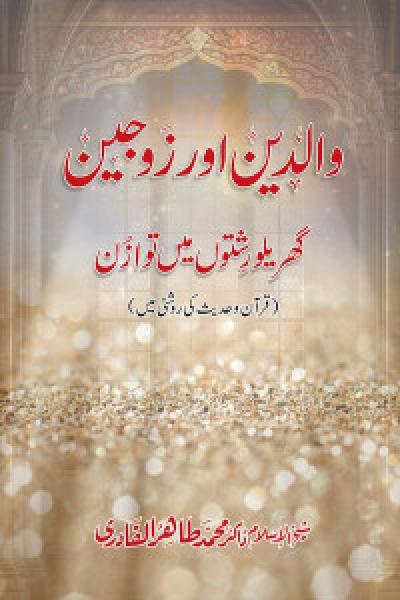
Walidain aur Zaujain: Gharailu Rishton mein Tawazun (Quran o Hadith ki Roshni mein)
والدین اور زوجین: گھریلو رشتوں میں توازن (قرآن و حدیث کی روشنی میں) خاندانی زندگی کے توازن اور والدین و شریکِ حیات کے حقوق کی وضاحت پر مبنی ایک اصلاحی اور رہنمائی فراہم کرنے والی کتاب۔
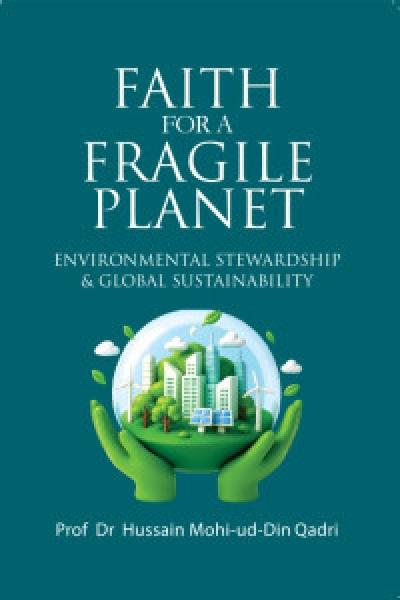
Faith for a Fragile Planet (Environmental Stewardship & Global Sustainability)
ماحولیاتی بحران، مذہبی ذمہ داری اور عالمی پائیداری کے حوالے سے ایک بصیرت افروز کتاب۔
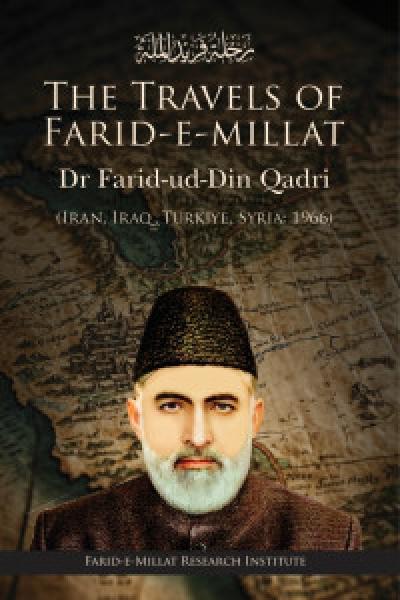
The Travels of Farid-e-Millat Dr Farid-ud-Din Qadri
فرید ملت حضرت ڈاکٹر فرید الدین قادریؒ کے علمی، روحانی اور زیارتی اسفار پر مبنی اہم سفرنامہ، جس میں ایران، عراق، ترکی اور شام کے تاریخی و روحانی مقامات کا ذکر ہے۔ اس کتاب کو منہاج یونیورسٹی لاہور کے Translation and Interpretation Centre نے فریدِ ملّتؒ رِیسرچ اِنسٹی ٹیوٹ کے اِشتراک سے اردو سے انگریزی میں منتقل کیا ہے اور اس میں مقاماتِ زیارت کے QR کوڈ لنکس بھی شامل کیے گئے ہیں۔

Our Other Literature Websites
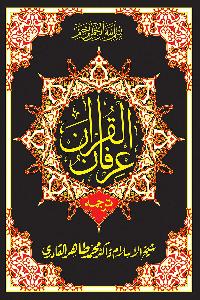
Irfan-ul-Quran
Irfan-ul-Quran is a unique, comprehensive & self-sufficient translation of Holy Quran where general reader does not need any exegesis.
Read MoreCurriculum
Islamic Curriculum on Peace and Counterterrorism by Shaykh-ul-Islam Dr Muhammad Tahir-ul-Qadri. 25 books written as part of peace curriculum are in English, Arabic and Urdu languages
Read MoreUnique Books
Online Books
Total Formats
Total Pages
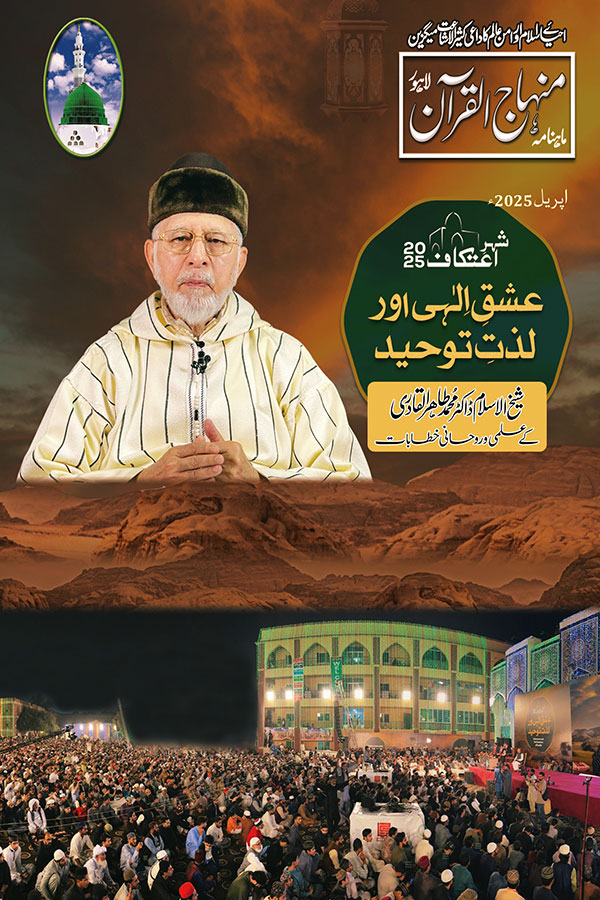
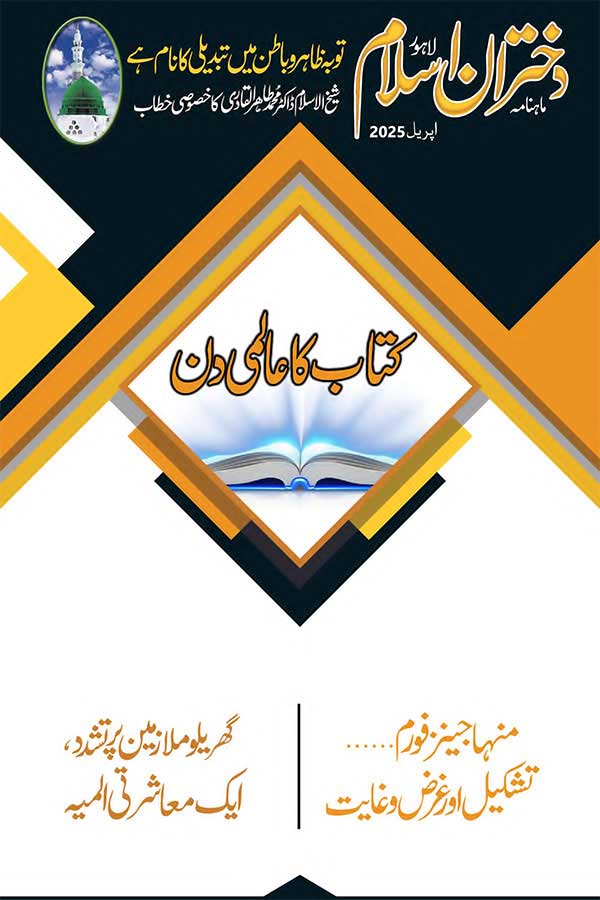
Latest Monthly Magazine
Articles
Copyrights © 2026 Minhaj-ul-Quran International. All rights reserved